


 Hidden Gems
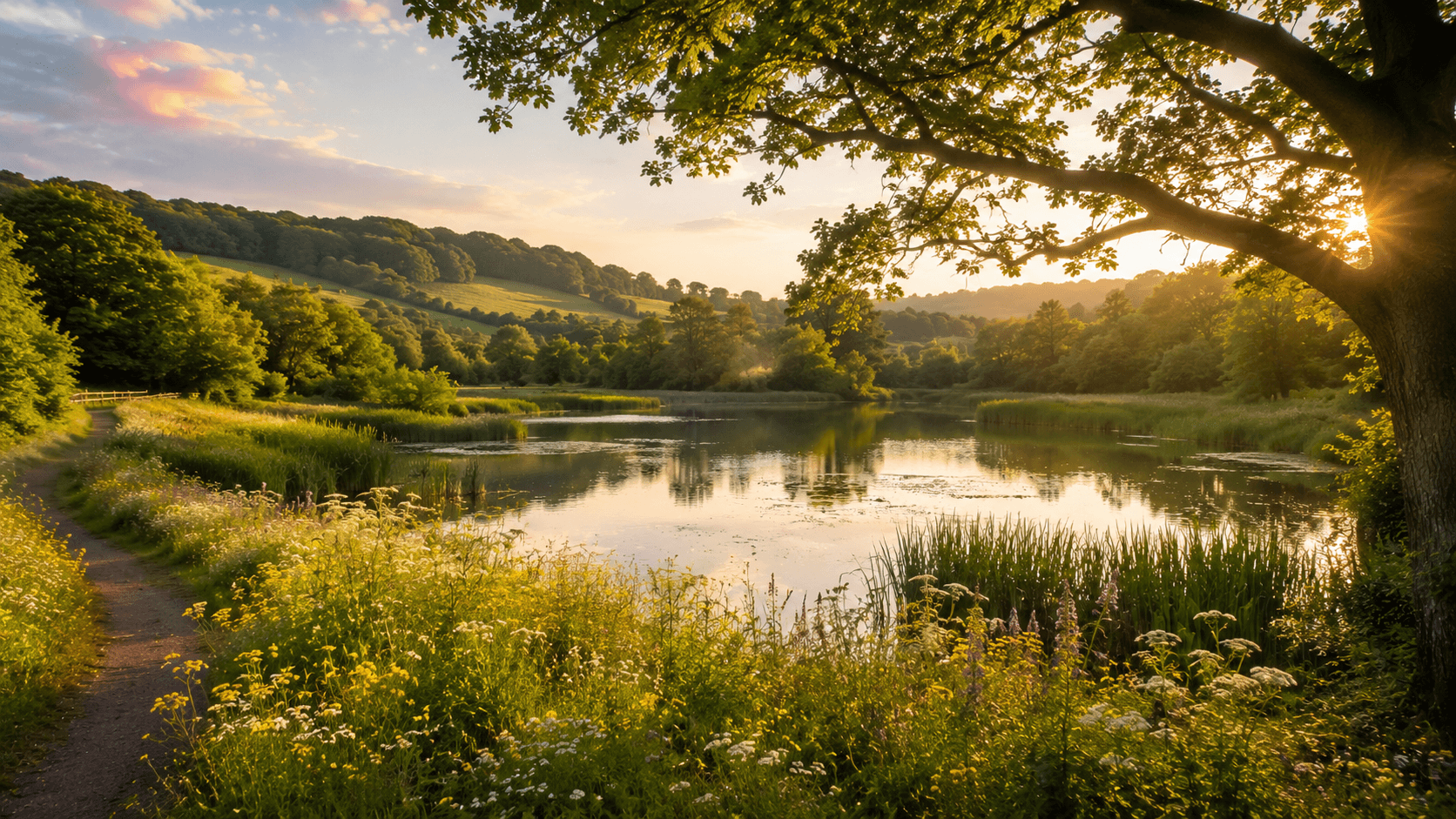
England is home to an incredible variety of nature reserves that protect diverse landscapes, rare wildlife, and peaceful natural habitats. From coastal wetlands and ancient woodlands to rolling heathlands and tranquil lakes, these protected areas offer unforgettable experiences for nature lovers, photographers, birdwatchers, and outdoor enthusiasts.
Whether you’re seeking scenic walking trails, opportunities to spot native wildlife, or simply a quiet escape from city life, England’s nature reserves provide the perfect setting to reconnect with nature.
Why Visit England’s Nature Reserves?
Nature reserves preserve some of England’s most beautiful and ecologically important landscapes. They provide safe habitats for countless species while offering visitors a chance to enjoy the outdoors responsibly.
Reasons to explore England’s nature reserves include:
- Stunning natural scenery
- Rich wildlife habitats
- Walking and hiking trails
- Excellent birdwatching opportunities
- Seasonal wildflowers
- Peaceful picnic areas
- Photography locations
- Educational visitor centers
Lake District National Park
The Lake District is one of England’s most celebrated natural landscapes, featuring crystal-clear lakes, dramatic mountains, and picturesque valleys.
Visitors can enjoy:
- Scenic lakeside walks
- Mountain hiking
- Wildlife watching
- Boat cruises
- Waterfalls
- Charming villages
- Spectacular viewpoints
Every season offers a unique perspective, from colorful spring blooms to snow-capped winter peaks.
New Forest National Park
The New Forest combines ancient woodlands, open heathlands, and free-roaming ponies, creating one of England’s most distinctive natural environments.
Highlights include:
- Forest walking trails
- Cycling routes
- Wildlife spotting
- Historic villages
- Woodland picnic sites
- Peaceful rivers
- Ancient oak trees
The park is ideal for families, photographers, and anyone seeking a relaxing day in nature.
Northumberland National Park
Known for its wide-open landscapes and dark skies, Northumberland offers a peaceful escape from busy urban life.
Popular activities include:
- Hiking across rolling hills
- Birdwatching
- Stargazing
- Visiting waterfalls
- Exploring scenic valleys
- Wildlife photography
- Nature walks
The park is one of England’s best destinations for observing the night sky.
Yorkshire Dales National Park
The Yorkshire Dales feature limestone cliffs, rivers, caves, and beautiful green valleys.
Visitors can experience:
- Scenic walking routes
- Limestone formations
- Traditional stone villages
- River crossings
- Wildflower meadows
- Underground caves
- Local wildlife
The diverse landscapes make it one of England’s premier outdoor destinations.
Norfolk Broads
The Norfolk Broads are famous for their peaceful waterways, wetlands, and abundant birdlife.
Activities include:
- Boat trips
- Canoeing
- Riverside walks
- Birdwatching
- Fishing
- Nature photography
- Cycling
The tranquil atmosphere makes it perfect for a relaxing nature getaway.
Dorset Heathlands
Dorset’s protected heathlands are home to rare wildlife and colorful seasonal landscapes.
Visitors may encounter:
- Heather-covered hills
- Reptiles and amphibians
- Butterflies
- Woodland trails
- Quiet picnic spots
- Scenic viewpoints
The area is especially beautiful during late summer when the heather is in bloom.
Coastal Nature Reserves
England’s coastline features numerous protected reserves with dramatic cliffs, sandy beaches, salt marshes, and seabird colonies.
Popular experiences include:
- Coastal hiking
- Birdwatching
- Seal spotting
- Beachcombing
- Photography
- Sunset walks
- Marine wildlife observation
These reserves provide spectacular ocean views throughout the year.
Ancient Woodlands
England’s ancient forests are rich in biodiversity and history.
Visitors can enjoy:
- Peaceful woodland walks
- Bluebell displays in spring
- Wildlife observation
- Family-friendly trails
- Nature interpretation centers
- Woodland photography
These centuries-old forests offer a magical atmosphere in every season.
Wildlife You May Encounter
England’s nature reserves protect a wide variety of native species.
Depending on the location and season, visitors may see:
- Deer
- Red squirrels
- Otters
- Foxes
- Rabbits
- Kingfishers
- Herons
- Owls
- Butterflies
- Dragonflies
- Wild orchids
- Rare birds
Remember to observe wildlife from a respectful distance.
Best Time to Visit
Every season brings something different to England’s nature reserves.
Spring (March–May):
Wildflowers bloom, migratory birds return, and woodlands burst into life.
Summer (June–August):
Long daylight hours are ideal for hiking, photography, and wildlife observation.
Autumn (September–November):
Forests glow with vibrant colors, creating spectacular scenery for walkers and photographers.
Winter (December–February):
Peaceful landscapes, migratory birds, and crisp countryside walks provide a different kind of beauty.
Tips for Visiting Nature Reserves
Make your visit enjoyable while protecting the environment.
Helpful tips include:
- Stay on marked walking trails.
- Wear comfortable walking shoes.
- Carry water and weather-appropriate clothing.
- Bring binoculars for wildlife watching.
- Pack a camera for scenic photography.
- Take all litter home.
- Keep noise to a minimum.
- Respect local wildlife and habitats.
Responsible Nature Tourism
Protecting these beautiful places ensures future generations can enjoy them.
When visiting, remember to:
- Leave plants and flowers undisturbed.
- Avoid feeding wild animals.
- Follow local conservation guidelines.
- Keep dogs under control where required.
- Support local conservation initiatives.
- Respect seasonal access restrictions.
Small actions by visitors make a significant difference in preserving these natural environments.
Comments are closed